
Introduction
A sunspot is a single mark. Melasma is a chronic, trigger-sensitive pigment condition that can return after treatment and may worsen after excess heat or inflammation. That difference changes how it should be treated.
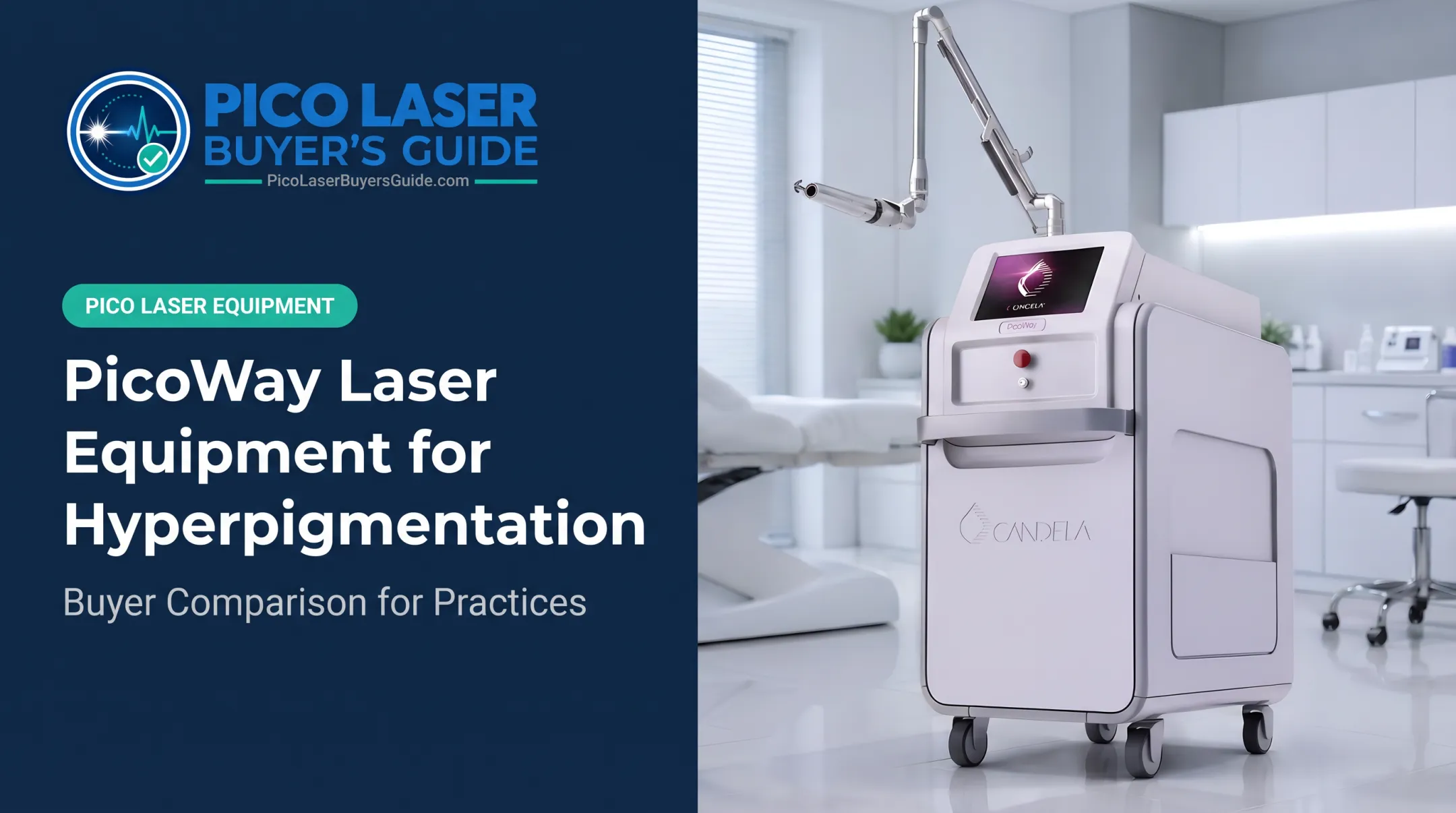
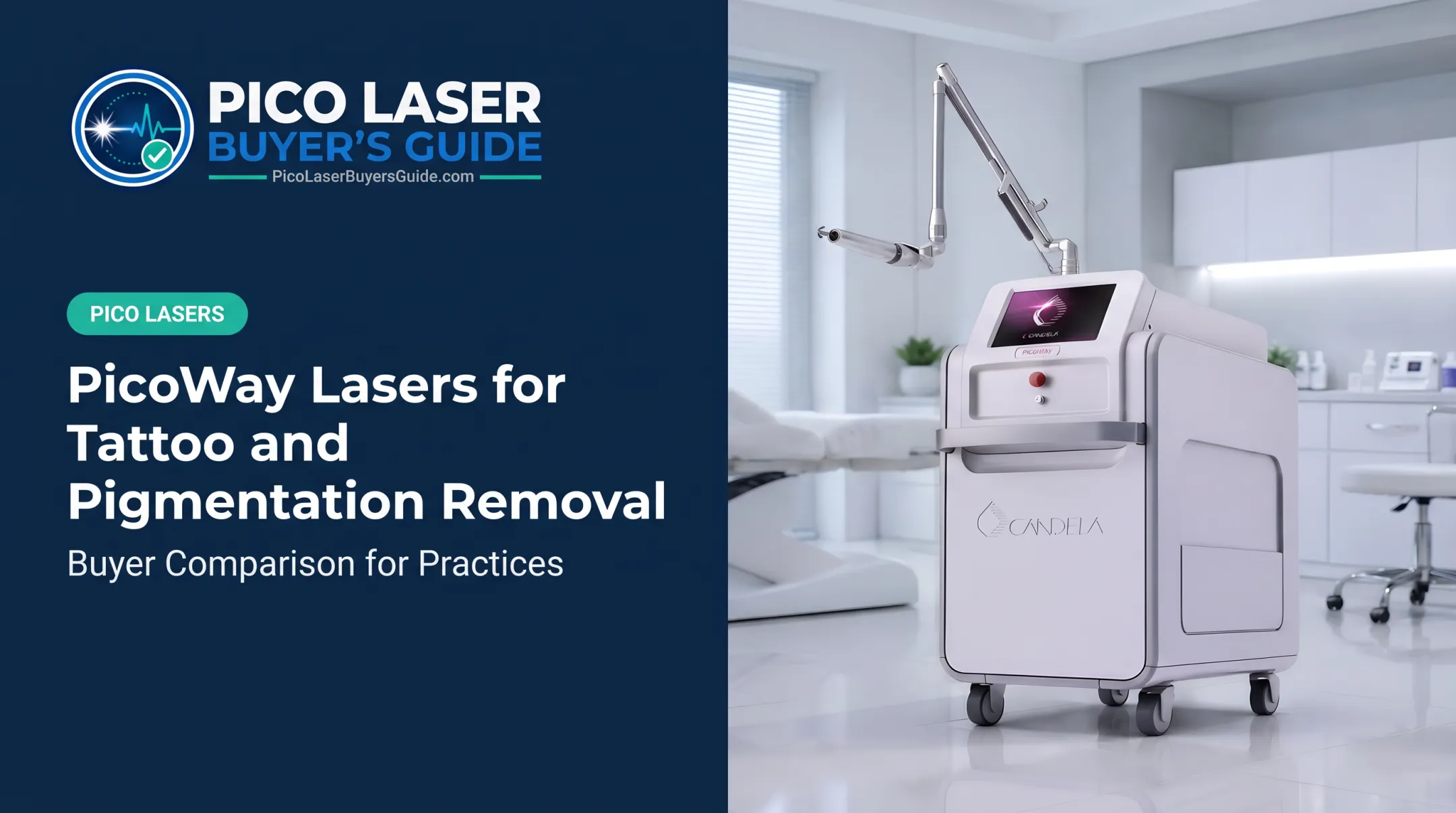
PicoWay, made by Candela, is one of the picosecond lasers with a US-cleared melasma indication. This guide covers how it works, the clinical and FDA evidence, sessions and results, safety, alternatives, and questions to ask before treatment.
It is educational and does not replace an exam by a qualified medical professional.
Key Takeaways
- PicoWay uses picosecond pulses for photoacoustic pigment disruption, but settings and technique still matter.
- Melasma control needs daily sun and visible-light protection, often alongside other therapies.
- Improvement is gradual, and recurrence is possible because triggers remain.
- Check diagnosis, provider experience, device configuration, and FDA documentation first.
What Is PicoWay, and How Does It Work for Melasma?
Melasma versus look-alike pigment
According to DermNet, melasma is acquired, bilateral, blotchy brown facial pigmentation that is chronic and relapse-prone. Other conditions look similar but are managed differently:
- Solar lentigines: benign flat spots linked to chronic UV exposure
- Post-inflammatory hyperpigmentation (PIH): pigment after injury or inflammation, often more persistent in darker skin
Photoacoustic versus photothermal action
Traditional pigment lasers rely mostly on heat. Picosecond pulses, measured in trillionths of a second, act mainly through a photoacoustic (photomechanical) effect that shatters pigment with less surrounding thermal damage. Some residual heat remains, so treatment risk is not eliminated.
Wavelengths and handpieces
Candela lists four PicoWay wavelengths: 532, 730, 785, and 1064 nm. For melasma, 1064 nm is used most often because it reaches deeper pigment, relevant to dermal or mixed melasma. Reviews do not establish complete dermal clearance.
Handpieces matter too:
- Zoom: full-beam delivery
- Resolve: fractional microbeams
- Resolve Fusion: focused and ring spots (532 nm)
Fluence, spot size, delivery pattern, and spacing shape the balance between clearance and inflammation. Excessive fluence raises adverse effects, and results from full-beam protocols should not be transferred to fractional ones. Verify the exact handpiece and mode in current US documentation.
Why melasma behaves differently
Melasma involves reactive melanocytes. UV and visible light, hormones, and inflammation all drive it. Visible light particularly affects darker skin types. Heat evidence is weaker: one 2022 review notes an occupational-heat association but no systematic study of solar infrared in melasma.
What Does the Evidence Say About PicoWay for Melasma?
Key studies
The evidence is encouraging but small.
| Study | Design | Result |
|---|---|---|
| Liang et al., 2023 | Randomized, assessor-blinded; 60 women, types III-IV; 1064-nm Zoom, three sessions four weeks apart | MASI improved 35.9% (PicoWay), 25.5% (755-nm picosecond), 24.0% (2% hydroquinone) at week 24 |
| Bernstein et al., 2023 | Uncontrolled; 20 patients; 1064-nm Resolve, four monthly sessions | Photographic improvement 37% at 3 months, 27% at 8 months; 90% satisfaction |
| Wu et al., 2026 | Split-face randomized; 16 Asian women; PicoWay versus Q-switched Nd:YAG | No significant efficacy difference; less pain with PicoWay (3.13 vs 5.31) |
Liang's trial reported public funding and no declared conflicts. Wu's reported no funding or conflicts. Bernstein's funding disclosures are not clearly stated in public sources.
Adverse events were modest. In Liang, one of 20 PicoWay patients had PIH and one had recurrence. Bernstein reported erythema in all subjects and mild edema in 40%. Wu found recurrence of 12.5% versus 18.8%, not significantly different.

Limits
- Small groups and short follow-up (up to eight months)
- Bernstein had no control group and only two type V-VI patients
- Liang's comparator was 2% hydroquinone, not triple combination cream
- A 2023 meta-analysis of six trials found improvement but substantial heterogeneity (I-squared 70%), and it was not PicoWay-specific
"Improvement" is not permanent clearance or a cure.
What FDA clearance means
FDA's K220853 decision (October 13, 2022) covers Candela PicoWay for melasma in Fitzpatrick I-IV, including 532/1064 nm and Resolve 1064 nm. Review the FDA 510(k) record directly.
A 510(k) means substantial equivalence to a legally marketed device. It does not prove superiority or guarantee an individual result.
What shapes outcomes
- Epidermal versus dermal or mixed pigment
- Skin tone, hormonal status, prior treatments
- Sun exposure and home care
- Device settings and provider experience
- Adherence to maintenance
PicoWay Treatment Plan: Sessions, Results, Aftercare, and Maintenance
Consultation
A good consultation includes:
- Diagnostic exam, sometimes with Wood's lamp or dermoscopy to assess pigment depth
- Hormone and medication history
- Review of past treatments and tanning habits
- Baseline photographs
- Biopsy if another diagnosis is suspected
Building the plan
Providers typically start conservatively, choosing wavelength, handpiece, treatment area, and spacing that lets skin respond between visits. Studies have used three sessions four weeks apart or four monthly sessions, but those counts are not universal. Session number and spacing should track melasma type and individual response.

Results timeline
Early changes are possible, but meaningful improvement builds across a series. The American Academy of Dermatology (AAD) describes a general melasma timeline of 3-12 months. That range is not a PicoWay-specific deadline. Pigment that looks darker right after treatment is not automatic failure, so judge results after healing.
Aftercare
- Cleanse gently with fragrance-free products
- Avoid heat and irritation; irritating products can darken spots
- Follow your provider's rules for active skincare
- Limit direct sun
- Use broad-spectrum, water-resistant SPF 30+ sunscreen, reapplied at least every two hours outdoors
The AAD also recommends tinted sunscreen with iron oxide for visible-light protection.
Maintenance
Lifelong photoprotection is the foundation. Ongoing care often includes:
- Supervised hydroquinone, triple combination cream, or tranexamic acid (discuss clot history before oral use)
- Periodic clinical reassessment
- No fixed universal maintenance-session schedule; recurrence risk remains
Is PicoWay Appropriate for Everyone? Safety, Candidacy, and Risks
Potential candidates
- Clinically confirmed melasma
- Realistic expectations
- Willingness to follow aftercare
- No temporary contraindications present
Risks to discuss before consent
- Redness, swelling, pain, pinpoint bleeding
- Crusting, blistering, burns, scarring
- Worsening or rebound pigment, PIH, hypopigmentation
- Recurrence
Risk depends on skin type, settings, diagnosis, and operator experience. Higher fluence raises severity. Published data do not establish a reliable burn incidence rate for PicoWay used on melasma.
When to pause or review
These are clinician-evaluation points, not blanket rules:
- Active infection, dermatitis, or open wounds
- Recent tanning
- Photosensitizing medications
- Pregnancy or lactation (excluded in Liang's trial)
- Keloid or abnormal healing history
- Isotretinoin: a 2017 consensus found insufficient evidence to routinely delay nonablative procedures, yet no universal wait applies
- A changing or uncertain lesion, which needs assessment and possibly biopsy
Darker skin tones
Reduced thermal exposure may help, but no skin tone is risk-free. Published melasma clearance data mainly cover Fitzpatrick I-IV, and type V-VI evidence is sparse (one type V and one type VI patient in Bernstein). Expect conservative settings, test spots, or staged protocols.

Safety checklist
- Confirm credentials and melasma experience with your skin type
- Confirm the diagnosis
- Get informed consent
- Ask about eye protection; ANSI Z136.3-2024 covers healthcare laser safety and eyewear
- Ask about device maintenance and emergency planning
- Request before-and-after photos
- Learn when to report prolonged irritation or unexpected pigment changes
PicoWay Compared With Other Melasma Options—and How to Evaluate a Provider
How options compare
| Option | Role | Concern |
|---|---|---|
| Sunscreen/topicals | First-line foundation | Irritation can darken pigment |
| Chemical peels | Adjunct to topicals | PIH or worsening |
| IPL | Selected, controversial | Relapse, PIH, exacerbation |
| Low-fluence Q-switched Nd:YAG | Similar efficacy to PicoWay in one trial | More pain; rebound and hypopigmentation concerns |
| Nonablative fractional | Selected refractory cases | Erythema, dryness, PIH |
| Ablative resurfacing | Expert-only | PIH, relapse, resistance |
No standardized cross-platform downtime ranking exists. The best option depends on diagnosis and protocol.
Lasers to avoid
High-fluence, overly aggressive, or heat-intensive protocols can inflame melasma and worsen pigment. That does not make every non-picosecond laser unsafe. Judge the protocol and the operator, not only the device name.
Questions to ask
- Which melasma type do you suspect?
- Is this a genuine Candela PicoWay, and which wavelength and handpiece will you use?
- What evidence supports this protocol?
- What is the plan if pigment worsens?
- How are maintenance and total costs handled?
For clinicians evaluating equipment
Pico Laser Buyer's Guide is an independent resource for comparing picosecond platforms, reviewing technical specifications and manufacturer documentation, and verifying current US FDA 510(k) information. It does not provide treatment or guarantee clinical outcomes.
Frequently Asked Questions
How many PicoWay sessions are needed to treat melasma?
It varies with melasma depth, extent, skin response, and the overall plan. Studies used three or four sessions, and a provider should reassess between visits.
How long does it take to see results from PicoWay for melasma?
Improvement is generally gradual and clearer over multiple sessions. Judge it after healing and pigment clearance, not right after treatment.
Is PicoWay laser effective for treating melasma?
Small trials show improvement in selected patients, but evidence is limited and heterogeneous. It does not remove the tendency to recur.
What is the best laser to get rid of melasma?
No laser is universally best. Choice depends on diagnosis, depth, skin tone, settings, provider experience, and your photoprotection plan.
Which lasers should be avoided for melasma?
Aggressive or poorly calibrated heat-generating protocols may raise inflammation and pigment risk. Decisions should be individualized, not based on a device name alone.